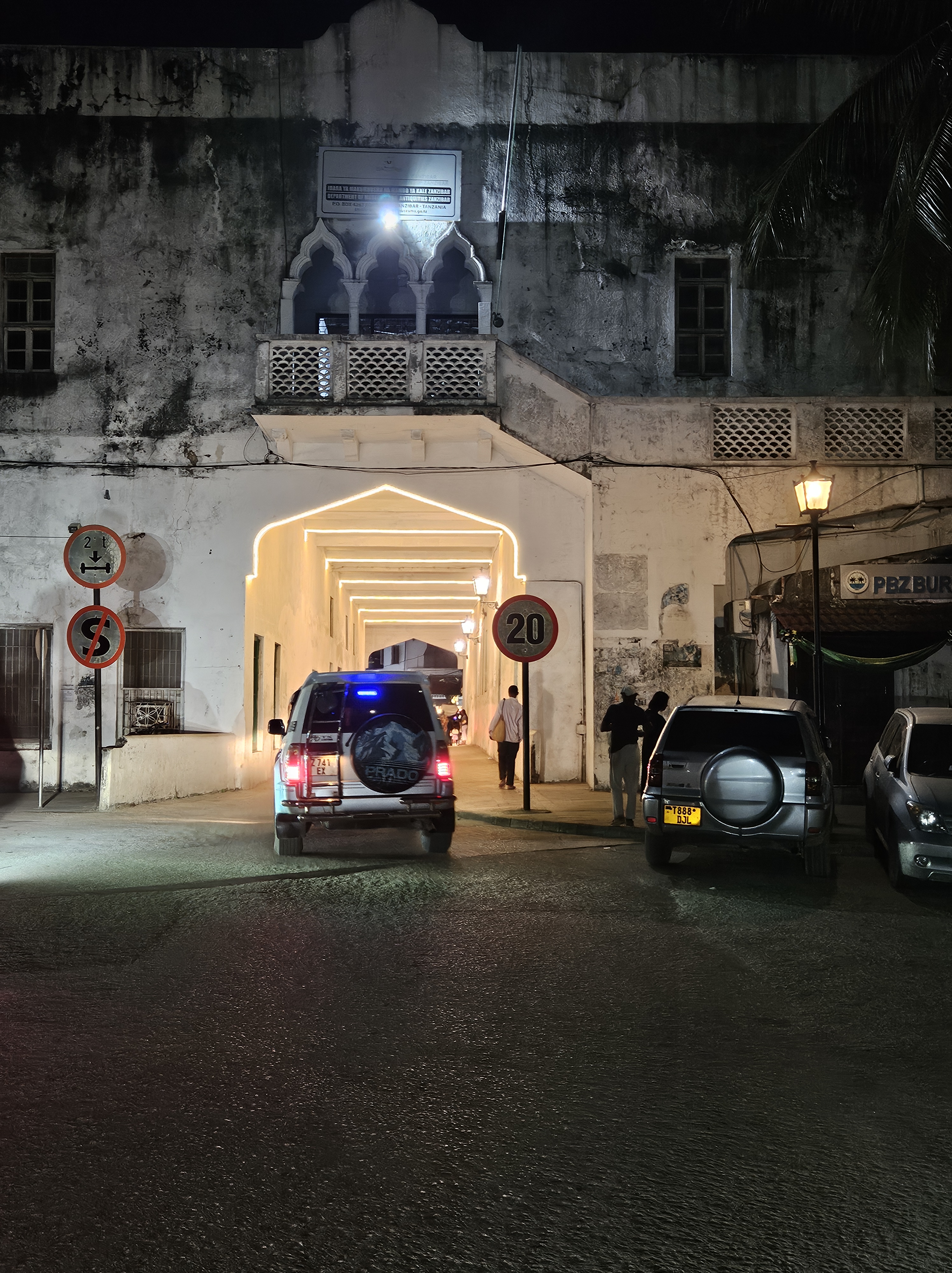
Stone Town, located on the western coast of Zanzibar, is a historic and culturally rich UNESCO World Heritage Site. This atmospheric town is known for its labyrinthine streets, ancient architecture, vibrant markets like Darajani Bazaar, notable landmarks such as the House of Wonders and the Old Fort, and its unique fusion of Swahili, Arab, Persian, Indian, and European influences. The town’s narrow alleys, carved doors, bustling markets, and intriguing history make it a captivating destination for visitors seeking to immerse themselves in Zanzibar’s heritage and culture.
It is a relatively small area, and we did a self-guided walking tour, thanks to Google maps!
We started with a visit to the Old Slave Market/Anglican Cathedral. The old slave market in zanzibar, also known as the Anglican cathedral (the altar, is built where the ‘whipping post’ once stood). It was once a site where enslaved people were bought and sold – while the rest of the world abolished slavery, it continued well into the 1900s. Today, it is a historical landmark that serves as a powerful reminder of the island’s dark past that stands.
Visiting this site offers a poignant and historical perspective on Zanzibar’s past and its journey toward freedom and justice.


From there, we walked to Darajani Bazaar, a lively market filled with a diverse range of goods, from fresh produce and spices to clothing and local crafts. It’s a vibrant hub offering an authentic glimpse into Zanzibar’s bustling local life.


We also stopped by the Freddie Mercury museum/home.
The legendary frontman of the rock band Queen, was born as Farrokh Bulsara in Stone Town, in 1946. Although he spent much of his early childhood in Zanzibar, his family later moved to India due to political unrest in the region. Afterwards, he eventually settled in England, where he became a music icon.
Despite leaving Zanzibar at a young age, Freddie Mercury’s connection to the island remains a significant part of his legacy, and his childhood home in Stone Town has become a popular tourist attraction for fans interested in exploring his early life and roots.

We then continued to walk towards the the Old Fort (Ngome Kongwe). This is also known as an Arab fort and is one of the oldest buildings in Stonetown. It was constructed first by Portugueses around the 15th century and then reconstructed by Arabs in the 19th century to be used as a military camp. When we visited, the courtyard hosted little cafes and stores. And at night, we heard loud electronic music!

Our walk took us past the House of Wonders, an iconic 19th-century palace turned museum. It showcases the island’s history, culture, and artifacts. Known for its grandeur and unique architecture, it was one of the first buildings in Zanzibar to have electricity and an elevator, which gave it its name. Unfortunately, the facade was being renovated, and entry to the building wasnt allowed.

Our last stop was the much acclaimed Forodhani Gardens, a popular seafront park located in Stone Town, Zanzibar. This vibrant and lively area becomes particularly bustling in the evenings when it transforms into a bustling night food market. The gardens overlook the Indian Ocean, offering a picturesque setting for both locals and tourists.
In the evenings, visitors can find an array of delicious local street food, including freshly grilled seafood, Zanzibari specialties like Zanzibar pizza, samosas, kebabs, and tropical fruits. The atmosphere is lively, with food stalls, music, and local artisans selling their crafts.
Now, as tempted as we were, given this was the start of a long holiday, we did not venture to eat any of this, although we salivate over it!
During the day, Forodhani Gardens serve as a relaxing spot for locals and visitors alike to enjoy the ocean views, take a leisurely stroll, or simply unwind in the shade of the palm trees.


And our final stop – Lukmaan a popular local eatery known for serving authentic and flavorful Swahili cuisine. With a welcoming atmosphere, it offers a diverse menu featuring delicious dishes like biryani, pilau, seafood, curries, and traditional Zanzibari specialties. The restaurant provides a great opportunity to savor local flavors while experiencing Zanzibar’s culinary delights.
The food unfortunately did not live up to the hype.


And that brought us to the end of our evening.
Tags: stone town, stone town walking tour, stonetown, stonetown things to do, walking tour, zanzibar
One thought on “Stone Town, Zanzibar – walking tour”