Imagine being nestled in a canvas tent amidst the vast African wilderness. Every rustle, every distant lion’s roar, etches unforgettable memories. At night, the sounds of the wild thrill as animals brush against the canvas. In the morning, wildlife wanders nearby, while a stunning sunrise illuminates the plains. Amidst the calm, the excitement of safari adventures persists.
For many individuals, such as ourselves, embarking on a safari represents a coveted item on our bucket list—a dream fulfilled. Witnessing wildlife, particularly big cats in their natural habitat, offers an unparalleled experience. However, safari adventures often come with a hefty price tag. Yet, with diligent research, one can curate a remarkable journey at a reasonable cost.
I would highly recommend using a tour operator for the safari. They don’t have to plan the entire trip but in most countries, a tour guide or driver is a must. And even before you talk with a safari operator, read through this guide as it will better inform your discussion and planning.
Let’s talk about each of these and I will also share what we did. Key things to think about are:
- Research safari destinations – choosing a country and national park
- Timing – when and for how long
- Deciding on the type of safari (luxury, budget, self-driven) impact your cost
- What kind of accommodations – that influences the cost of your trip
- What activities do you want to do in addition to game drives
- Finding the right tour operator
- What else – vaccinations, passports and visas, packing lists!
- Would you consider a layover?
Let’s get started.
Research safari destinations: Researching safari destinations involves considering factors like wildlife, landscapes, accessibility, and the overall experience. 10 countries place a heavy emphasis on wildlife: Tanzania, South Africa, Kenya, Uganda, Mozambique, Botswana, Zambia, Zimbabwe, Malawi, Namibia and Rwanda. But each of them can offer a unique experience. Explore national parks and reserves within these countries, considering the variety of wildlife, ecosystems, and activities available. Online resources, travel forums, and guidebooks can provide valuable insights and reviews from other travelers. Additionally, consult with reputable tour operators or travel agencies specializing in safaris for personalized advice. Here’s a link that gave me insight into the best places and best times for a safari: https://www.cnbc.com/2023/10/25/the-best-places-and-best-times-to-take-a-safari.html
In general, however, each region offers its own highlights:
- East Africa:
- Famous for the Great Migration in Kenya and Tanzania’s Serengeti.
- Diverse wildlife, including the Big Five (lion, elephant, buffalo, leopard, rhinoceros).
- Stunning landscapes like the Masai Mara and Ngorongoro Crater.
- West Africa:
- Rich cultural experiences and unique wildlife, though safaris are less common compared to other regions.
- Countries like Ghana and Senegal offer historical and cultural attractions alongside some wildlife reserves.
- Appeals to those seeking a more off-the-beaten-path.
- South Africa:
- Diverse landscapes, from savannas to deserts and coastal areas.
- Excellent infrastructure and a variety of game reserves, including Kruger National Park.
- Options for self-drive safaris, luxury lodges, and diverse activities.
What did we do: We chose East Africa, Tanzania to be specific. We did that because we wanted to visit family that lives in Dar Es Salaam and that also allowed us to take advantage of the diversity of wildlife year-round within the multiple parks in Tanzania – the Serengeti, Ngorongoro Crater, Lake Manyara, and Tarangire National Park. And for the athletically inclined, you can hike Mt. Kilimanjaro. We did not do that as it would have been too taxing on my dad who joined us on the safari. As we were spending a day in Nairobi as part of our layover, we did think about visiting Nairobi National Park, in case we didn’t see enough game on our trip, but that was not needed.
Note that we decided to make the most of our trip by stopping in Cairo for 3 days, then 2 days in Dar Es Salaam, 2 days in Zanzibar, 5 days on the safari, 1.5 days in Dar and then a 12-hour layover in Nairobi. Was it hectic, yes! But so very worth it!!
Timing – When do you want to visit? Deciding when to travel to Africa may greatly affect what you can expect to see during your visit. Looking at East Africa, you can expect to have great wildlife viewing year-round. Here is an informational link that gives you information on the best times to visit various parts of the continent: https://www.safariventures.com/experiences/best-time-to-go/
We were going to visit family that lives in Tanzania over the December Christmas Holiday season. Fortunately, that’s when the wildebeest are typically in the southern area of the Serengeti, more specifically in Ndutu which is in the Ngorongoro Conservation Area in Tanzania. While the the river crossings are the real highlight of the wildebeest’s journey, it’s a spectacular sight to see the herds congregate on the dramatic sweeping plains of the south. If you are looking to view the migration, here’s a good link that provides a map along with timing: https://www.serengetiparktanzania.com/information/wildebeest-migration-cycle/
Timing – how long is your safari? Before you reach out to a safari operator, create a rough itinerary so you can share that with the operators and get quote from multiple operators. To plan your itinerary,
- Decide on the duration of your safari and plan your daily activities.
- Consider guided game drives, walking safaris, hot air balloon rides, and cultural experiences.
Deciding the duration of your safari depends on various factors, including your budget, interests, and availability. The average duration of a safari is 5-7 days but the total time of your trip from when you leave home and return back is on an average 7-10 days. Here are some tips to help you determine the ideal duration for your safari:
- Budget: Consider how much you are willing to spend on your safari, including accommodation, transportation, park fees, and other expenses. A longer safari may incur higher costs.
- Travel Goals: Determine what you hope to experience during your safari. Are you primarily interested in wildlife viewing, birdwatching, photography, or cultural interactions? The duration of your safari should allow enough time to fulfill your travel goals.
- Destination: Different safari destinations offer varying experiences and attractions. Some parks and reserves may require more time to explore fully due to their size and wildlife density.
- Season: Consider the time of year you plan to visit. During peak seasons, such as the Great Migration in East Africa or the dry season in Southern Africa, wildlife sightings may be more frequent, but accommodations may be more expensive and crowded.
- Accessibility: Factor in travel time to and from your destination, as well as within the park or reserve. Longer safaris may require additional travel time but can provide a more immersive experience.
- Personal Preferences: Take into account your travel style and preferences. Some travelers may prefer shorter, more focused safaris, while others may enjoy longer trips with more flexibility and exploration time.
- Health and Stamina: Consider your physical health and stamina when planning the duration of your safari. Wildlife viewing can be physically demanding, especially during game drives and bush walks.
- Consult Experts: Seek advice from safari experts, travel agents, or tour operators who can provide insights based on your interests, budget, and preferences.
Ultimately, the duration of your safari should allow you to experience the highlights of the destination while providing enough time for relaxation and enjoyment. Consider all these factors carefully to plan a safari that suits your needs and preferences.
What did we do: We decided on a 5-day safari. We flew into Arusha on an early morning flight after having spent a couple of days in Zanzibar. As soon as we arrived, our tour guide met us and whisked us off to Lake Manyara. Day 2 and day 3 were in the Central and Southern Serengeti, day 4 in Ngorongoro crater and day 5 at Tarangire National Park. We were fortunate to see every scenario we envisioned but 5 days was still a long time for my two teens. They enjoyed returning to the hotels and getting a swim in at the pools or just lazing about. But they did leave the trip thinking it was one of the best vacations ever.
Costs: Setting a budget is crucial for planning an itinerary. An 8-day safari, inclusive of accommodations, meals, and internal flights, can vary significantly, ranging from $2,000 to over $20,000 per person. Establishing a budget from the outset assists in selecting the most suitable options for accommodations, transportation, and activities. Here’s a breakdown:
- Budget Safari: These typically average around $150 per person per night.
- Mid-Range Safari: Expect to pay approximately $350 per night for mid-range accommodations.
- Luxury Safari: For a more luxurious experience, prices can go upwards of $750 per night or higher.
Keep in mind that these rates are per person per day and exclude additional costs such as international flights, visas, vaccinations, tips, and travel insurance. Let’s delve into some of these additional considerations:
- International Flights: To save costs, consider avoiding peak travel times and non-direct flights.
- Domestic flights: your travel operator could handle this for you or you could also book it on local airlines
- Local transportation outside of the safari: I used our tour operator from transportation. As an example, they picked us up from our hotel in Zanzibar and took us to the airport for our flight to Arusha, even though officially the safari only started in Arusha. Don’t forget to factor this into costs
- Visa Costs: Many African countries charge for visas, typically ranging from $30 to $50 per person. Avoid booking visas through operators but go to the government website directly.
- Accommodation: Depending on your flight schedule, you might need accommodation before or after your safari.
- Vaccinations: Health-wise, you’ll likely need vaccinations or malaria tablets before arriving in most safari destinations. Your local Jewel Osco might be a cheaper option to a Travel clinic – ours was.
- Tips: Budget for tips for drivers, guides, and staff (around $15 per person per day). And yes, if you are a party of 5, you are expected to tip your guide $75 per day. I asked a few people and also searched several sites
- Travel Insurance: Don’t skip this; a decent policy can cost between $50 and $175 for two weeks.
Remember that the duration of your safari directly impacts the overall cost. Longer safaris tend to be more cost-effective on a per-day basis. Whether you’re seeking adventure on a budget or indulging in luxury, there’s a safari to suit every pocket!
Select Accommodations: Consider four key aspects to ensure your safari accommodation enhances your experience while meeting your comfort and safety preferences.
- Security from Wildlife:
- Determine if you prefer staying in properties surrounded by electric fences or those with open access to animals.
- Sleeping “under canvas” offers a closer-to-nature experience but may require comfort with wildlife proximity.
- Level of Sophistication:
- Safari accommodations range from basic to luxurious, regardless of tented or solid structures.
- Embrace the unique safari experience but ensure the level of comfort aligns with your expectations – whether luxury lodges, tented camps, or budget accommodations.
- Consider the amenities offered, such as electricity, hot water, dining options, and guided activities.
- Bathroom Facilities:
- Safaris typically offer en-suite flush toilets and plumbed showers, but some camps may have open-air or shared facilities.
- Decide your comfort level with different bathroom setups, including traditional “bucket” showers or shared facilities.
- Location:
- Choose accommodations located within or near the national park or reserve you’ll be visiting to minimize travel time and maximize wildlife viewing opportunities.
What did we do: While we booked our tour through a safari operator based in Arusha, Tanzania, we discussed the accommodation for each night. I also researched the hotels online once the operators gave me the itinerary. I had read horror stories of nails in the floor, broken toilets, and dirty bed linen. We are frugal travellers with safety, cleanliness also being our priority but here I was also ensuring that my elderly but fit dad had a comfortable night’s rest each night.
Now picture this: You are nestled in a canvas tent, surrounded by the vast African wilderness. A rustle outside the tent, a grunt, the roar of a lion in the distance – nothing will make you forget that feeling. At night the sound of an animal brushing up against the canvas can be thrilling, sounds of the wild ringing out from the bush. Wake up in the morning, open the tent, and there’s often something in remarkable proximity, wildlife wandering through the camp, feeding on the grass that surrounds the tents while a beautiful sunrise across the expansive plain greets you. After a day on safari, this can provide comfort and calm, while maintaining the excitement of the wild.
And that’s what we wanted to experience which is why for two nights we stayed in two different tented campsites. This should not be compared with the flimsy tents when we go camping in the summer. More glamping, I’d say – these campsites with their tents elevated the wildlife experience, located as they are in pristine wilderness and within the national parks. The emphasis was on seclusion. The first camp was at the Sero Tented Campsite – a campsite that follows the migration: https://www.serotentedcamps.com/. This was located in the middle of the Serengeti. Solar powered electricity, heated water, spacious rooms, mosquito nets around a comfortable bed, a proper shower and toilet, clean and safe. Now you couldn’t walk around on your own once it got dark, there wasn’t a wall or barbed wire or electrified fence to keep animals at bay, and a Masai tribesman came over and zipped and tied down the canvas doors and windows at night and we were given torches to signal for help or if we needed to leave our tent. That added to the thrill of being out there, although it was also a little unnerving. The other hotel was more upscale, a proper building but similar in that there wasn’t a perimeter to keep animals out and the workers shared stories of encountering a leopard, warthogs, and other animals, as they walked us between our hotel room and the main dining room or even the swimming pool – yes, they even had a swimming pool. And you could have a shower indoors or outdoors! https://suricatabomalodge.com/ Nothing could beat waking up to a view of Lake Manyara and the wide expanse of land. Or maybe the sight of a giraffe outside our window would have beaten that view! We only heard and saw a family of warthogs.
Check availability and make reservations well in advance, especially during peak safari seasons. Your tour operator can also do this for you.


Activities – besides the game drive, what are some additional activities you can do to experience the extraordinary wonders that await in the continent of Africa:
- Take a Hot Air Balloon Safari: Soar above the Serengeti or Masai Mara for a breathtaking view of the savannah and wildlife.
- Helicopter Ride over Victoria Falls: Behold the majestic Victoria Falls from the sky for a truly awe-inspiring perspective.
- Walking Safari: Embark on foot with an experienced guide to discover the smaller wonders of the bush. Observe tracks, birds, and insects up close
- Canoe in Lake Manyara: Take a canoe ride on Lake Manyara and take in beautiful views of the diverse landscape
- Visit a Masai Village: Immerse yourself in Masai culture and traditions in Tanzania for a unique cultural experience.
- Guided Day Tours in Cape Town: Discover the beauty and history of Cape Town with expert-guided day tours.
- Trek to See Mountain Gorillas: Trek through Uganda or Rwanda to encounter endangered mountain gorillas in their natural habitat.
- Golfing Adventures: Tee off at Tanzania’s premier 18-hole golf course or challenge yourself with the “Extreme 19th hole” from a cliff in South Africa.
- Cruise the Okavango Delta: Glide through Botswana’s Okavango Delta on a mokoro or boat for a serene and immersive experience.
- Relax in Zanzibar: Unwind at a beautiful beach resort in Zanzibar after your safari adventure.
- Climb Mount Kilimanjaro: Conquer Africa’s tallest peak or opt for hiking in the foothills for a rewarding outdoor experience.
- Shark Cage Diving: Experience the thrill of shark cage diving in South Africa’s Western Cape for an adrenaline-packed adventure.
- Shop for Handmade Crafts: Explore local markets and shops for unique handmade crafts and souvenirs, capturing the essence of African culture and art.
What did we do: We stopped for three days in Cairo and even went inside a pyramid, and relaxed in Zanzibar, which was simply gorgeous. The highlight of the Zanzibar trip was when we took a boat out to the Nakupenda sand bank which is only visible at low tide. Our boatman grilled seafood and cut some fresh fruit while we snorkeled and frolicked in the water. We also visited a Masai village and got a view into their way of life. The women make jewellery and sell it to tourists but beware the jewellery is expensive and in US dollars….but for a good cause. My kids experienced what studying in a village with little to no amenities looked like and we’re also surprised how advanced 5-year olds were with addition! And we also did a transit through Nairobi and stopped by the Giraffe center.


Tour Operators:
It’s really important you find the right safari tour operator to assist you, especially given how much you are investing in the trip.
- Research: Look online for safari operators in your desired destination. You can find global operators and it’s always good to have a US or UK operator should things go awry but I found local tour operators were most cost effective, very accommodating, fantastic to deal with. Going with a local company also helps the local economy, and by using WhatsApp I didn’t have to pay for international phone calls or rely solely on email.
- Read Reviews: Check past client reviews for feedback. I googled them and read reviews on Facebook groups, travel sites and anywhere their name popped up.
- Check Credentials: Ensure the operator is licensed and accredited.
- Compare Packages: Compare itineraries, accommodation, and activities. This is where having a good idea of your itinerary, price point and activities will help as you can ask for quotes from multiple operators and compare apples to apples
- Ask Questions: Inquire about guides, safety, and policies. Some questions I learnt to ask – will the hotels have mosquito nets, will there be bottled filtered water and how much (one operator restricted it to 3 bottles per person per day), hot lunch or cold lunch while on the safari, how much do additional activities cost, how many binoculars do they provide, is mileage restricted, does the vehicle have power jacks to charge your phone, And in the summer, does it come with a fridge in the vehicle.etc.
- Get Recommendations: Seek advice from friends or travel forums. One of the operators we reached out to was recommended by my aunt, the one we used in Nairobi (driver for a day) was recommended by a colleague
- Consider Cost: Balance budget with experience quality.
- Customization: Opt for operators who can tailor experiences. We were a family of five so we had a private safari that was tailored to the itinerary we wanted. Most operators will tailor it to your needs.
- Book Early: Secure preferred dates and accommodations. We booked in June for December. However, last minute – three weeks before departure, friends decided to join us and our operator was able to accommodate them in the same hotels except for one hotel
- Confirm Details: Double-check all booking specifics before finalizing.
- Payments: confirm how you will pay. Most prefer cash especially if US dollars. You will likely put a deposit down and then pay the rest in person. Credit cards can incur an additional cost.
- Hidden costs: Make sure there are no hidden costs. Park entry fees can be pretty steep and should be included in the safari costs. One operator told us that they provided unlimited mileage but some others didn’t. This meant being able to drive far or on different paths in search of game.
Who we went with: we looked at the usual suspects – Contiki, National Geographic, Costco Travel but then used www.safaribookings.com to find quite a few operators. My aunt recommended one but we ended up going with Safari Soles. We would use them again in a heartbeat. Regina from Safari Soles was fantastic to work with, was reasonably priced and didn’t have any restrictions. We saw a lot of vehicles from Safari Soles while on our drives.
Vaccinations: The US Government Center for Disease Control office site was our reference. https://wwwnc.cdc.gov/travel/yellowbook/2024/itineraries/african-safaris. We had heard the cost of malaria pills was insane but a little bit of calling around and we found our local pharmacist at the Jewel Osco was just fantastic. She researched information along with us and at a significantly cheaper price point, got us the appropriate vaccinations and medications. We didn’t take Mefloquine for Malaria as known side effects are neuropsychiatric issues, and instead took the daily Atovaquone/Proguanil (Malarone). We also took our yellow fever vaccination since we were stopping in Nairobi, as well as Hepatitis A and B vaccinations, updated tetanus shots, and our pharmacy gave us some tablets for walking diarrhea.
Packing list: The clothing you take will depend on the season. We went during December when it’s summer in Tanzania but because of the elevation and worldwide changes to global patterns, we needed jackets in the morning.
Here’s a basic Clothing packing list for a safari trip:
- Plan to dress in layers
- Avoid black or navy blue as it is said to attract tse tse flies that bite
- Look for neutral colors
- Lightweight, long-sleeved shirts
- T-shirts
- Long pants and shorts (for protection against the sun and insects)
- Safari hat or wide-brimmed hat
- Comfortable closed-toe shoes or hiking boots. Sneakers worked just fine for us but we did not hike much
- Socks
- Undergarments
- Nightclothes
- Swimwear (if applicable)
- Fleece or jacket for cooler evenings
- Rain jacket or poncho
- A scarf is so versatile – cover your hair, your face, or just look cool. It also helped prevent my skin from burning
- A nice outfit – we were there over New Year’s Eve so nice outfits were appropriate in the evening
Gear and Accessories:
- Binoculars unless your operator provides one. Our operator had two binoculars that we shared. Ask your operator if you should carry one
- Camera with extra batteries and memory cards. Now I debated about buying a camera as our phones function as cameras. I asked a close friend who had just returned from a photography safari and he suggested staying with my camera phone. I am glad I didn’t buy a camera, it wasn’t needed, at least for us
- Sunglasses with UV protection
- Sunscreen (high SPF)
- Insect repellent (with DEET)
- Flashlight or headlamp with extra batteries. I took one but it wasn’t needed
- Power bank for charging electronics – our Range Rover had plenty of jacks to charge our phones but a power bank came handy when we visited other places during that trip.
- Personal toiletries
- we made sure we had tooth brush, tooth paste, floss, lotion, deodorant, hair products, make up. We did not take soap or shampoo but ended up buying hair conditioner for those that had long hair to contend with!
- First aid kit
- Medications – we took antihistamines, pain and fever reducer, tablets for diarrhea
- Travel adapter and converters (if traveling internationally)
- Lightweight backpack or daypack
- Ziplock bags (for keeping electronics dry)
- Slippers for the bathroom, or to hang out in
Other Essentials:
- Passport and visa (if required)
- Travel insurance documents
- Money and credit/debit cards. Lots of cash. See section on tipping under our learnings section.
- Copies of important documents (passport, travel insurance, itinerary)
- Guidebooks or maps. We used Google instead
- Snacks and refillable water bottles. Our tour operator provided bottled water in the vehicle (along with juice, beer and wine). We bought snacks as we passed through villages. We didn’t need refillable water bottles
- Personal identification (driver’s license, ID)
Optional Items:
Remember to check the specific requirements and climate of your safari destination and adjust your packing list accordingly.
Some of our learnings:
- A safari means you must be prepared for the unexpected. Take your time and roll with the punches – Hakuna Matata as our guide would say.
- Get your visas ahead of time even if it is available on arrival. It was a time-saver when you landed
- Give yourself time to get your visas. As an example, it took us a couple of tries to upload our visa requests on the Kenyfficial portal. And then, a visa for one of the kids lingered for 3 weeks. We almost debated leaving him behind at the airport while we spent the day sighseeing! Kidding!!
- Domestic airlines especially those that are travelling to and between safari locations have small planes. Make sure you review luggage and weight considerations. Go as light as possible.
- Hotels have laundry facilities but sometimes you might not be long enough in a place to avail of that service.
- What a typical day looked like – we grabbed a hot breakfast (food and sleep are a very important part of a vacation plan for our teens) so we rarely left before 7:30am. Our vehicle had bottled water, soft drinks, beer and wine in a mini-fridge and the hotel provided a packed hot lunch. We then headed towards our next destination. As an example, we drove from the airport towards Lake Manyara, spent the day there driving around in search of birds and animals, and then drove to the next hotel which was closer to the next day’s destination. We would stop for lunch within the National Park. There are picnic sites with tables and chairs, and our driver would pull out our hot lunch or on some days, a cold lunch. Once done, we continued driving around until it was time to head to the hotel. We usually reached the hotel by 5pm. The kids swam in the pool, if there was one. Adults could relax in the pool or at the bar and some hotels had a performance of acrobats, music and dancing. Dinner followed by bed.
- The cleanliness and the love for Mother Africa, as our guide called it. 99% of the rest stops in the National Parks were even cleaner than my experiences in Europe or North America. There was always someone tidying up or cleaning the bathroom. Our guides made sure the rest site was cleaned up after lunch. Food leftovers were shared with rangers, and everything including leftovers and trash was packed and transported back to the hotels for disposal. Nothing was to be left over.
- English was spoken everywhere – even in the Masai village. Helps them with asking for donations!!
- Food restrictions and allergies were accommodated everywhere.
- Most vehicles were massive Jeeps or in our case, a 7-seater Range Rover. The roof lifted up so you could stand and look out of the vehicle. All were great seats!
- Nairobi was so green and we’d go back just for the Indian food! My kids said it was the best tandoori chicken ever (and we are Indian and know our tandoori chicken!)
- Take a pack of playing cards or a board game you can easily stuff in your luggage. It makes the evening fun!
- You can always buy snacks as you drive by villages. It’s a good way to try local snacks and flavors.
- Tipping – insane. You tipped everywhere and in dollars. $10-15 per person per day to your driver and the additional tips to hotel staff and performers. That meant carrying more cash than we would typically take on a vacation.
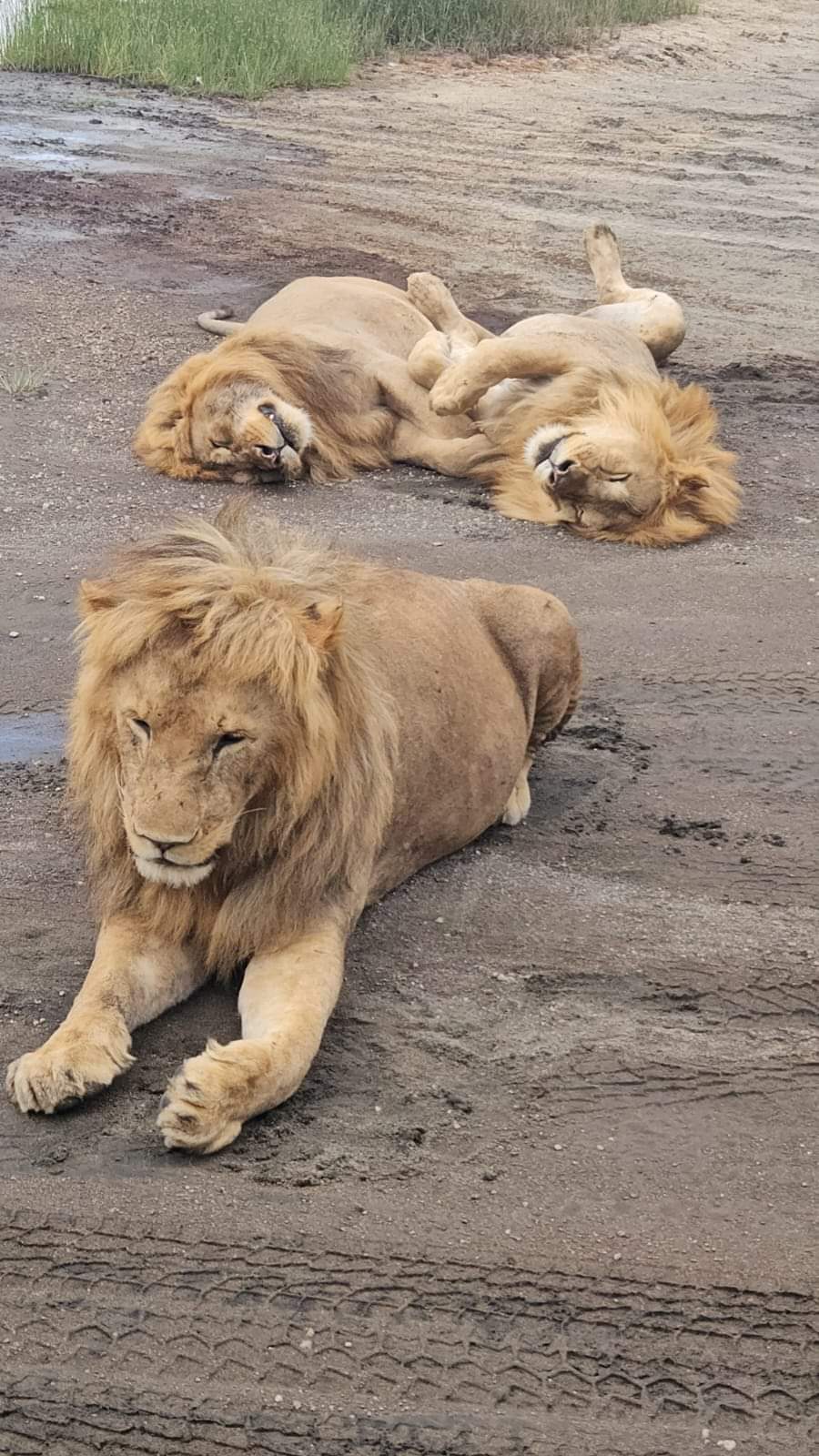
- A safari means you will likely spend several hours in the vehicle tracking down game. A guide who is in contact with the rangers, and other guides will figure out how to get you the best views. Thanks to our guide, we saw the big five, lions cubs frolicking, a herd of elephants wallowing in the mud, hippos galore in a stinky pool, cheetahs with a freshly killed wildebeest while hyenas watched from afar, lions atop a tree, wildebeest and zebras as far as the eye could see, ostriches streaking across the plains, gentle giraffes and all kinds of birds.
- Be patient – you never know what you will encounter
On the last day at Tarangire, our highlights were getting stuck in a ditch and an elephant that put on a show for us in the Tarangire river. But the day seemed to be going slowly with not another animal in sight. We grew tired of marvelling at the massive Baobab trees and the beautiful landscape. The teens grew bored and so did we. And then we encountered a scene that appeared to be from a movie, a baboon trapped by a pride of seven lionesses and a herd of elephants came to its rescue. The scene unfolded over at least 15 minutes but at the end of it, our 18-year old turned and said “That was amazing!”
I hope and wish your trip is as memorable!


