Looking for a family vacation that excites your teens and creates lasting memories? We picked Costa Rica because it truly is a dream destination. With its lush rainforests, epic zip lines, surf-worthy beaches, and jaw-dropping wildlife, this tropical paradise turns screen time into real-life adventure. Whether it’s spotting monkeys in the treetops, hiking a volcano, or riding waves on the Pacific, Costa Rica offers the perfect blend of thrill and cultural discovery to reconnect with your teens in the most unforgettable way. Adventure, nature, and family bonding—what more could you ask for?
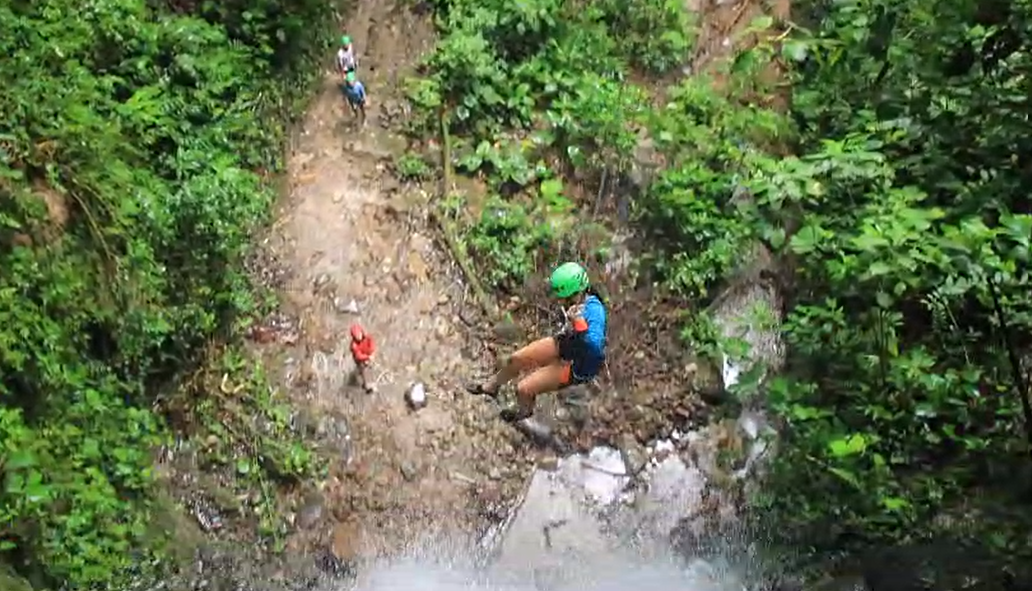
Our unforgettable family adventure in Costa Rica started in La Fortuna. We kicked off the excitement with the hanging bridges. We enjoyed a scenic hike high above the forest floor taking in stunning views of the rainforest. Then we headed off to an exhilarating canyoning tour, rappelling down waterfalls and navigating through rugged terrain.
Next, we ventured to Monteverde for a thrilling ziplining experience through the cloud forest canopy. Soaring through the treetops for a heart-pounding adventure, we also enjoyed incredible birdwatching opportunities in this rich ecosystem, even spotting the elusive quetzal.
Finally, we would down your adventure with some surfing lessons in Playa Tamarindo. We relaxed on the beach, enjoying the sun and the laid-back atmosphere.
This Costa Rican journey blended adventure, nature, and relaxation making it a perfect family vacation for our teens who enjoy a mix of thrills and downtime!
Summary of the itinerary:
- Day 1: Arrival in La Fortuna – relax, check out the town
- Day 2: Adventure Day – Hanging Bridges and Canyoning, relax in the evening checking out the town or at a hot springs
- Day 3: Explore La Fortuna – Arenal Volcano and La Fortuna Waterfall, Hot Springs. Alternative, go ATVing or visit a Sloth Reserve
- Day 4: Travel to Monteverde and Zip-lining in the afternoon
- Day 5: Curi-Cancha reserve and Monteverde Cloud Forest
- Day 6: Drive to Play Flamingo, afternoon at the beach
- Day 7: Morning – snorkeling or scuba diving in the Catalina Islands; Afternoon – relax at Play Flamingo; Evening: Sunset Sailing tour or hang out at the beach
- Day 8: Surfing at Playa Tamarindo, check out other beaches – Brasalito (to walk over to Playa Conchal) and spend the evening on the beach
- Day 9: Fly back
Day 1: Arrival in La Fortuna – Costa Rica’s Adventure town

Fly into either Liberia (LIR) or San José (SJO) and make your way to La Fortuna, which is about a 2.5–3 hour drive from Liberia or 3–3.5 hours from San José. Once in La Fortuna, check into your hotel and take the rest of the day to relax. Enjoy dinner in town, and if there’s time, unwind at one of the nearby hot springs.
We flew into Liberia and were picked up by Eddie from Travesía Costa Rica Travels, who drove us to La Fortuna. Along the way, we made a quick stop at a local grocery store to grab some snacks. To our surprise, we spotted a traditional fruit cake chilling in the refrigerated section. When a local shopper scooped up four of them, we knew it had to be good—and it didn’t disappoint. It was the best fruit cake I’ve had in years, instantly bringing back memories of the one my mom used to bake at home.
Nestled at the base of the majestic Arenal Volcano, La Fortuna is a paradise for adventure seekers and nature lovers alike. From soaking in natural hot springs to zip-lining through the rainforest, this vibrant town offers endless ways to explore Costa Rica’s wild beauty. Visitors can hike the lava fields of Arenal National Park, chase waterfalls at La Fortuna Waterfall, or go wildlife spotting along the hanging bridges. Whether you’re craving adrenaline or relaxation, La Fortuna delivers the perfect mix of thrill and tranquility in the heart of the jungle.
La Fortuna vs. Arenal: What’s the Difference? Though often used interchangeably, La Fortuna and Arenal refer to different (but closely related) places in Costa Rica:
- La Fortuna is the charming town near Arenal Volcano, serving as the hub for visitors. It has hotels, restaurants, shops, and tour operators offering excursions into the surrounding nature.
- Arenal refers to Arenal Volcano and its surrounding areas, including Arenal National Park, Lake Arenal, and the famous hot springs.
If you’re visiting, you’ll likely stay in La Fortuna and take day trips to Arenal’s attractions, like hiking the volcano’s lava fields, exploring the rainforest, or soaking in thermal springs. Both are must-visit spots—La Fortuna for its local vibe, and Arenal for its stunning natural beauty!
Grab dinner in one of the lovely restaurants around town: Several traditional Costa Rican restaurants (called soda restaurants) are scattered around town. They serve the most authentic Costa Rican food and offer the lowest meal prices. Other, slightly fancier, restaurants in town fuse Costa Rican cuisine with international dishes, mainly of American, Italian, and Asian influences. Some of the sodas that are well known are:
- Soda La Casa de Ara
- Soda El Turnito – 4 mins walk – was well rated, visited. We enjoyed the food but Soda Viquez took the top spot.
- Soda Viquez – highly rated and the one we enjoyed the most (especially the Sea Bass)
- Soda la Hormiga – highly rated
- Restaurant Los Rodriguez
Other restaurants that are enjoyable include:
- Saffron Indian Food Bar and Grill – excellent food, but service was terrible (although that might have been due to them being short-staffed during Christmas)
- Restaurante y Pizzería Vagabondo – we loved their seafood pasta and their pizzas
- La Fonda – didn’t visit but heard it’s good
Where to stay: So many good options and staying within La Fortuna puts most restaurants within walking distance. We booked last minute so our hotel was a 3-star but extremely clean, included breakfast, a pool, and very friendly, helpful staff. Our hotel also had a fantastic view of the Volcano from the windows in our room (every room had that view). However, there was so much cloud cover throughout our stay, that we didn’t have a chance to see the tip of the Volcano.
Day 2: Hanging Bridges and Canyoning Combo – Adventure Day
We started our morning with hearty, traditional breakfasts – Huevos Rancheros, Gallo Pinto, and a Continental Breakfast. Well fueled, we were picked up to head to Mistico Hanging Bridges.


Morning: We took a guided hike at Mistico Arenal Hanging Bridges Park. Since we were visiting Monteverde, we saved the zip lining for the cloud forest. Mistico Arenal Hanging Bridges Park is nestled in the heart of Arenal’s lush rainforest. It offers an unforgettable way to experience Costa Rica’s breathtaking biodiversity. This experience allows visitors to see from above the treetops. This 3.2 km (2-mile) trail winds through the jungle. It features 16 bridges, including 6 suspended hanging bridges. These bridges provide jaw-dropping views of Arenal Volcano, waterfalls, and exotic wildlife.
We were glad to see the Eyelash Pit Viper among other exotic birds, foliage and fauna.


Afternoon: We chose an adventure activity – canyoning (waterfall rappelling). Alternatively, one can also look at ATVs or go white water rafting. The waters were very rough that month and so we chose the canyoning through a company called PureTrek. We chose to go with PureTrek after I did a lot of research because I was concerned about safety.
- Option1: https://puretrek.com/tours/pure-trek-canyoning-atv-adventure/
- Option 2: https://puretrek.com/tours/pure-trek-canyoning-regular/
Boy, was this canyoning trek a blast?! In total, there were four rappells, including through three stunning waterfalls and a rock wall. The heights ranged from 30 to 165 feet. Each descent offered a unique perspective of the lush surroundings. …..and then was the Monkey Drop that Sophia and Nilesh mustered up courage for. First, you climbed up a long and narrow staircase. Then, you experienced an adrenaline-pumping zip line. It led you to a small pool, where we made a splash and were assisted out by guides.

Evening: After an adrenaline-packed morning of canyoning, we enjoyed a satisfying lunch. It really hit the spot. Then, we made our way back to the hotel for some much-needed rest. Later in the afternoon, we set out on a peaceful, unhurried stroll into the heart of La Fortuna.
Along the way, we stopped by Cafetería y Panadería La Delicia. It’s a cozy local bakery. There, we picked up fresh budín, empanadas de carne, and some irresistible sweet puff pastries. We snacked as we wandered through the charming streets, eventually arriving at Parroquia San Juan Bosco, the town’s central church.
It was Christmas Eve. This night is special for Costa Rican Catholics. The church was beautifully lit and full of festive spirit. We joined locals and fellow travelers for evening mass—an experience that was both serene and heartfelt.
To cap off the night, we enjoyed a festive Christmas Eve dinner at Restaurante y Pizzería Vagabondo. The warm atmosphere and delicious food made for the perfect ending to a magical holiday evening in La Fortuna.

Day 3: Explore La Fortuna – Volcano, La Fortuna Waterfall, Hot Springs
Morning: Hike in Arenal Volcano National Park. Trails offer beautiful views of the volcano and lava fields.
The Arenal Volcano National Park entrance fee is $15 + tax USD for adult foreigners and $5 USD + tax for children. The main visitor center is open daily from 8 AM to 4 PM. The Peninsula sector is open daily from 8 AM to 5 PM, last entry is at 4 PM. Park tickets allow only one-time entrance. If you want to visit both sectors, you must do so in one day. Just show your park ticket to the office. If you visit one sector one day, you will have to buy two national park tickets. You need another ticket if you visit the other sector the next day. Payment for park tickets is by credit card only – no cash payment accepted. You can buy tickets at the door.
Main Visitor Center: The drive from La Fortuna to Arenal Volcano National Park (main lava flow trails) is about 30 minutes.

4 trails:
Heliconias Trail (600 meters/.37 miles) Trail 3: This trail goes from the main entrance to the parking lot. Flat. If you’re driving to the national park, you will drive this trail so it’s not necessary to go back and walk it.
Vehicle Trail (1.3 km/.8 miles) Trail 6: You can drive (4×4 ONLY) or walk. This goes to a viewpoint and rest area. Must exit out the same path. Around 45 minutes.
Las Coladas (2 km/1.4 miles) Trail 4: Easy, mostly flat. Short section up some steps and bridge through the lava fields. 1 hour total. Go back out the same way.
El Ceibo (3 km/1.86 miles) Trail 5: Easy/moderate. This trail branches off the Las Coladas at the viewpoint. Goes through secondary forest and passes a 30 meter (80 foot), 400 year old Ceiba tree. This is a loop.
We planned on taking Trail 4 – Las Coladas: Las coladas are the lava rocks leftover from one of the most tremendous natural disasters in Costa Rica.
The Las Coladas trail in Arenal Volcano National Park takes you through hardened lava fields left behind by the powerful 1968 eruption, which destroyed the towns of Tabacón and Pueblo Nuevo.
As you climb the initial stairs, the trail opens into a dramatic lava rock field with panoramic views of Arenal Volcano—especially stunning on clear days. The hike to this viewpoint takes about 20 minutes.
Arenal Volcano remains active, though it only emits smoke today. Nearby Cerro Chato, a second volcano in the park, is completely dormant.
From the viewpoint, continue across a small bridge to a second platform and connect to the El Ceibo Trail (3 km loop, easy/moderate), which winds through secondary forest and features a massive 400-year-old Ceiba tree standing over 30 meters tall.
- Observation Platform: The bridge has some steps but the next observation platform is only about a 5-10 minute walk away through more lava rocks. The observation platform is really nice. It gives you full views of Arenal Volcano, Lake Arenal and the surrounding mountains and valleys. Gorgeous! Once you are done here, you can connect to the El Ceibo trail or go back the same trail to go to the parking lot.

Afternoon: Just 30 minutes from Arenal Volcano National Park, La Fortuna Waterfall is a must-see. Swim in the cool pool below or simply relax and take in the stunning scenery. Getting there is easy—Uber is the most budget-friendly option, costing around $8 USD one way from downtown La Fortuna (about a 10-minute drive). While Ubers can be limited, availability is better in the town center. Red taxis are also available but tend to charge more—around $15 USD one way from downtown, and even higher from the national park.
We skipped the waterfall as we hadn’t seen a sloth and one of the kids really wanted to see one. So we made our way to Sloth’s Territory. Sloth’s Territory is a 13-hectare private reserve in La Fortuna de San Carlos, Costa Rica, dedicated to wildlife observation and conservation. The Rodríguez Pérez family has managed the reserve since 2018. It offers guided tours where visitors can observe two-toed and three-toed sloths in their natural habitat. A variety of birds and amphibians can also be observed. Ten hectares are undergoing reforestation. The remaining three hectares feature a 1,300-meter trail along the Habana River. This trail provides opportunities to see sloths, opossums, frogs, and diverse bird species. The reserve offers both day and night experiences, as well as bird-watching tours.


Evening: After a day of adventure, there’s no better way to unwind than soaking in La Fortuna’s famous hot springs. Options like EcoTermales, Tabacón, and Kalambu offer a range of experiences—from serene and romantic to fun and family-friendly. See the bottom of this post for more information on some of the hot springs.
But if you’re up for something more low-key (and budget-friendly), check out the locals’ favorite: the “free hot springs,” also known as Rio Chollín or the “mini Tabacón.” Just across from the Tabacón resort, head a little downhill and you’ll likely see a local directing cars. He’s not official staff—just someone earning a few colones by watching over parked vehicles. Hand him a few bucks, and follow the path past yellow poles, down to a graffiti-covered bridge. That’s where the magic happens. Tucked into the jungle, this natural thermal river has warm, flowing water and hidden nooks perfect for lounging. Bring a drink, find your spot, and soak up the pura vida.

EcoTermales was booked solid and so we chose a local’s recommendation and went to Relax Termalitas. Relax Termalitas Hot Springs offers an affordable and authentic thermal experience, making it a favorite among both locals and visitors. For approximately $10 USD per person, we had access to seven thermal pools with varying temperatures, two cold water pools, and two jacuzzis. The largest thermal pool featured a fun water slide, adding a playful touch to the relaxing environment. While food and drinks were available on site, several families had brought in their coolers and spent the day there.
Day 4: Travel to Monteverde and Zip-lining over the forest
Monteverde is a small town in the province of Puntarenas, located in Costa Rica, about 3-3.5 hours from La Fortuna and San Jose. Monteverde is located at 1440 m above sea level, so the weather is much colder and wetter than in other parts of Costa Rica. The best time to visit Monteverde is during the dry season, which runs from December to April when there is less rain. The rainiest months in Monteverde are September and October. So bring quick-drying and warmer clothes, long pants, socks, hiking shoes, a light raincoat, mosquito repellent, and sunscreen.
Getting there: Most people arrive in Monteverde from San Jose or La Fortuna. You can easily get to Monteverde by shared and private transfer, Jeep-Boat-Jeep tour, bus, or car. There is no airport in Monteverde. The nearest airports are Liberia Airport (via Las Juntas Route 145) and San Jose Airport (via Sardinal Route 606), which are 3-3.5 hours away.
Getting around: The small town of Santa Elena is easy to explore on foot. However, getting around Monteverde without a car is tough, we took a taxi driver’s number and contacted him using whatsapp whenever we needed a ride.
We drove to Monteverde. The drive from La Fortuna to Monteverde takes about 3 to 3.5 hours. That afternoon, we checked into our accommodation and had lunch.
Late Afternoon: Take time to wander through the charming town of Monteverde, or immerse yourself in adventure with activities like ziplining—an exhilarating way to take in the cloud forest views, just like we did! For a more relaxed outing, one of the best free things to do in the area is visiting the giant ficus tree, also known as the strangler fig. Located about 15 minutes from most hotels, it’s easy to reach by foot or a quick drive from Santa Elena. Climbing the tree is a fun and unique experience, but be cautious—it can get slippery! This natural landmark offers a scenic and memorable detour, perfect for nature lovers and photographers alike. Address: 857H+H8X Ficus La Raíz, Monteverde, Puntarenas, Costa Rica; Hours: No official hours, but the gate is usually open

That afternoon, we chose to go ziplining, soaring through Monteverde’s lush cloud forests with The Original Canopy Tour. This exhilarating journey featured 10 diverse ziplines, a heart-pounding Tarzan swing, and the unique opportunity to climb inside a towering ficus tree. It was an unforgettable adventure that seamlessly blends excitement with ecological appreciation.


Evening: Enjoy a quiet evening with dinner in town, or consider a night walk to experience the cloud forest’s nocturnal wildlife. We chose the former. There are quite a few dining options in Monteverde including:

- Soda La Amistad – our favorite – family run, wonderful service, delicious food! Awesome smoothies.
- Rest. La Soda Coati
- Treehouse restaurante – music on the 3rd floor
- Taco Taco Taqueria – tacos and burritos
- Toro Tinto for burgers, pasta, and salads
- Restaurante Sabor Tico (Costa Rican food) highly recommended by a Costa Rican friend
Day 5: Curi-Cancha Reserve (morning) and Monteverde Cloud Forest (afternoon)
Morning: Curi-Cancha Reserve is a hidden gem in Monteverde, perfect for nature lovers and birdwatchers. This privately-owned cloud forest reserve is known for its rich biodiversity, peaceful trails, and incredible birding opportunities—including chances to spot the elusive resplendent quetzal. We were so lucky – we spotted Toucans and the Quetzal several times.

This privately-owned cloud forest reserve is known for its rich biodiversity, peaceful trails, and incredible birding opportunities—including chances to spot the elusive resplendent quetzal.
The resplendent quetzal is famously elusive due to its preference for dense cloud forests, excellent natural camouflage, seasonal movement, and shy behavior. Spotting one in the wild is never guaranteed—especially without a guide.
That’s why we felt incredibly lucky to see not just one, but a couple of quetzals during our visit to Curi-Cancha Forest Reserve. It was a magical moment, and truly one of the highlights of our time in Monteverde!
The well-maintained trails wind through both primary and secondary forest, offering a quieter, less-crowded alternative to the more popular Monteverde and Santa Elena reserves. We saw monkeys, coatis, and a wide variety of hummingbirds and butterflies along the way.


Afternoon: Visiting the Cloud Forest Reserve. The top thing to do in Monteverde is to visit the Cloud Forest Reserve. A cloud forest is a tropical forest that is constantly shrouded in heavy mist or fog. Basically, it’s so moist inside the forest that it’s covered in clouds. In fact, according to the World Conservation Monitoring Centre, only 1% of the global woodland consists of cloud forests, with a total of 736 cloud forest sites distributed among 59 countries. Six of those sites are in Costa Rica. Visitors come to admire this rare phenomenon named cloud forest, which occurs at particular conditions such as elevations of more than 500 meters (1,640 feet) above the sea level, mean temperatures between 8° and 20° Celsius (46° and 68° Fahrenheit), and annual rainfall that can range from 500 to 10,000 mm/year. These conditions make the cloud forest a unique attraction you cannot miss during your visit to Monteverde, Costa Rica.
Monteverde is also home to the highest concentration of orchids on earth found here. There are approximately 1,400 types of wild orchids throughout Costa Rica’s forests, and 500 of these species live in the Monteverde Cloud Forest Reserve.
The reserve spans six different ecological zones, each with its own microclimate and ecosystem. It’s home to over 100 mammal species, 400 types of birds, and more than 2,500 plant species—basically a dream for nature lovers.
Entry costs $25 USD for adults and $12 USD for kids, but if you’re a Costa Rican resident, it’s just $8 USD regardless of age. Your entrance fee includes a map, which is handy if you’re doing a self-guided visit instead of going with a tour.
The reserve is open daily from 7 AM to 4 PM, year-round, no matter the holiday. If you’re driving, set your GPS to “Café Colibrí”—it’s located right before the entrance and makes a great stop for a quick coffee or snack before heading in.


Trails in Monteverde: There are nine hiking trails in the Monteverde Cloud Forest, covering a total distance of 8 miles (13 kilometers). A few of the best ones include:

- The Sendero Bosque Nuboso (or Cloud Forest Trail): This is one of the most popular routes to take. It’s 1.2 miles (1.9 kilometers) long and takes around 90 minutes. There’s an elevation gain of 65 meters (213 feet), so it’s not too strenuous, even for beginners. It’s also incredibly beautiful and boasts some of the park’s best flora.
- El Camino: El Camino is a wide and fairly open trail that is great for butterfly spotting and bird watching. It’s 1.2 miles (2 kilometers) long. This trail has slightly less elevation gain than the Sendero Nuboso trail. It is a good hike for those who don’t consider themselves to be super fit.
- The Sendero Paseo (or Swamp Trail): This mile-long (1.6-kilometer) trail takes you through – you guessed it – a swamp forest. This allows you to see lots of different plant life. You also get to observe the animals that live in these environments.
- The Sendero El Río (or River Trail): This trail leads you along the Quebrada Cuecha stream. You can take a quick detour to a scenic waterfall. This hike takes around an hour and a half to complete. You’ll need to factor in a little extra time if you want to visit the waterfall.
- The Suspended Bridge: The suspension bridge is 100 meters (300 feet) high. The bright red color offers amazing views of the forest canopy. It is also a great photo opportunity. It’s also a lot of fun to walk across!


- Getting there: If you don’t have a rental car, hop on the local bus from Santa Elena (in front of Banco Nacional) at 6:15 AM, 7:20 AM, or 1:15 PM. Return buses leave the reserve at 11:30 AM, 2 PM, and 4 PM. Tickets cost ₡800 (about $1.20 USD)—cash only. Taxis are another option. You can catch one at the Santa Elena taxi stand or ask your hotel to call one for pickup. Fares usually range from $2–$15 USD, depending on distance. Both official red taxis and unofficial “pirate” taxis are commonly used—just agree on the fare before getting in.
- Eating there: Grab a coffee and pastry at Café Colibrí, right next to the Hummingbird Gallery—perfect for relaxing after your hike, surrounded by hummingbirds. Open 9 AM–5 PM daily. For a heartier meal, head to Raices Restaurante at the reception center, serving traditional Costa Rican dishes from 7 AM–9 PM daily.


Day 6: Headed to the beach – Playa Flamingo
- Early morning: Drive to Playa Flamingo (about 3.5 to 4 hours).
- Afternoon: Arrive in Playa Flamingo, check in, and unwind on the beach.
- Evening: Enjoy dinner at a beachfront restaurant and take in the sunset.


Playa Flamingo: A Chill Slice of Paradise on the Pacific
With its soft white sand, calm turquoise waters, and relaxed vibe, Playa Flamingo on Costa Rica’s Pacific coast is the perfect spot to wind down. Unlike some of the more crowded beach towns, Flamingo feels a bit more upscale and peaceful—ideal for sunset strolls, beach lounging, or sipping something tropical by the water.
It’s also a great base for ocean adventures like snorkeling, sailing, and sport fishing. Whether you’re unwinding after inland adventures or just soaking up coastal vibes, Playa Flamingo delivers a beautiful blend of serenity and sun-soaked fun.
We walked on the beach, swam in it’s calm waters and grabbed some delicious food at Estero Azul while looking out into the Pacific Ocean.

Day 7 – Beaches and Water Activities
- Morning: Go snorkeling or scuba diving in the Catalina Islands, known for diverse marine life.
- Just off the coast of Playa Flamingo, the Catalina Islands are a top spot for diving and snorkeling. These volcanic rock formations are famous for their rich marine life. They include giant manta rays, white-tip reef sharks, sea turtles, and schools of tropical fish.
- The visibility is usually excellent, and the experience feels wild and remote.
- Afternoon: Relax on Playa Flamingo
- Walking around Playa Flamingo is a laid-back way to soak in the coastal charm. Stroll along the quiet beachfront, pop into small shops or cafés, and take in the relaxed, upscale vibe. Don’t miss a visit to the Flamingo Marina, where you can watch boats come and go, grab a drink with ocean views, or book a sailing trip. It’s a peaceful spot to explore at your own pace and enjoy the beauty of the coast.
- Evening: Take a sunset sailing tour, often with snacks and drinks provided. We just hung out on the beach and then at the pool at our apartment.


Day 8: Beaches and more Beaches – Playa Tamarindo, Playa Brasalito and Playa Conchal

Playa Tamarindo: Surf, Sun & Lively Vibes
Just a short drive from Playa Flamingo, Playa Tamarindo is a bustling beach town known for its laid-back surf culture, vibrant nightlife, and wide sandy beach. Known as “Playa Gringo” because of the large number of American tourists, it’s great for beginner surfers. There are plenty of board rentals and lessons available right on the beach. The town itself is full of life—think beach bars, boutique shops, and a mix of international eats. Whether you’re catching waves or enjoying a sunset with a cocktail in hand, Tamarindo has the perfect blend of adventure. Tamarindo has just the right amount of energy.


Playa Brasilito: A Local, Laid-Back Beach Gem
Just minutes from Playa Flamingo, Playa Brasilito offers a more rustic, authentic vibe. It’s a favorite among locals, with a wide stretch of grayish sand, gentle waves, and a charming village feel. You won’t find big resorts here—just small sodas (local eateries), fishermen bringing in the day’s catch, and the laid-back rhythm of real Costa Rican beach life. It’s also the gateway to Playa Conchal, just a short walk away across the rocks at low tide.
It’s a good 15 minute walk to Conchal but it’s totally worth it!
Playa Conchal: Sparkling Shell Beach Paradise
Playa Conchal is one of Costa Rica’s most stunning beaches. Instead of sand, its shoreline is made up of crushed seashells, giving the water an incredible turquoise glow. The sea here is usually calm—perfect for swimming, snorkeling, or just floating in the warm Pacific. That day, though, the currents were strong. We stayed on the edge of the water. It was so incredibly inviting and beautiful. It’s a great spot to spend the day, whether you’re soaking up the sun or exploring the shallow reef. This slice of paradise feels wonderfully remote.


Day 9 – Departure Day
Early Morning: Travel from Playa Flamingo to Liberia Airport (about 1 hour drive) for our flight back home.
ADDITIONAL INFORMATION:
- Comparison of the three main canopy tour providers in Monteverde: Here’s a brief comparison of the three main canopy tour providers in Monteverde:
- Original Canopy Tour: As Costa Rica’s first canopy tour, it offers a more intimate and educational experience. There is a variety of platforms, hanging bridges, and a Tarzan Swing. Best for families, beginners, and those seeking a quieter adventure. It has fewer, shorter zip lines compared to others, so it may feel tame for thrill-seekers. Focuses on conservation and the cloud forest ecosystem.
- Selvatura Adventure Park: This eco-park is known for its beautiful cloud forest views. It offers one of the longest and most scenic canopy tours. It includes a “Superman” zip line and additional activities. Visitors can also enjoy hanging bridges and butterfly gardens. It’s perfect for those seeking a balance of adventure and nature. However, it can be crowded and more expensive than the Original Canopy Tour.
- 100% Aventura (Xtreme Adventure): This is the most thrilling option. It features the longest zip line in Latin America. It also includes adrenaline-pumping elements like the “Superman” line and Mega Tarzan Swing. Best for experienced zip-liners and thrill-seekers. It’s less focused on the ecosystem, making it more about the rush than the environment.
- La Fortuna Hot Springs – Options for every budget – There are various options. You can choose a luxury experience or a local one. You will find no better way to relax in La Fortuna. Enjoy a soothing soak in its natural hot springs. Please check the websites for the latest info:
- Baldi Hot Springs: $44 USD for a day pass, $66 with a meal. Located 8 minutes from downtown.
- EcoTermales: $45 for a day pass, $73 with a meal. Known for an intimate, nature-focused experience, 9 minutes from downtown.
- Paradise Hot Springs: $38 for a day pass, $58 with a meal, $170 for a premium pass. A luxurious, tranquil option, 8 minutes from downtown.
- Los Lagos Hot Springs: $18 for a basic day pass, with meals starting at $23. Family-friendly, 9 minutes from downtown.
- Budget-Friendly Options: Relax Termalitas ($10), Termalitas del Arenal ($15 with lunch). Local spots like El Choyin and El Salto offer free thermal swimming.
- Eating Out:
- Many tourists are surprised by the cost of food in Costa Rica. They often expect it to be much cheaper than in the USA. While eating out can sometimes be on par with North American prices, there are ways to keep costs down. Shopping at local grocery stores like Super Rosvil is known for fresh produce and meats. It offers a chance to support the local economy. You can also keep expenses in check. Palí, part of the Walmart family, provides budget-friendly essentials like bread, milk, and rice, though it has a smaller selection. For a balance of variety and affordability, Mega Super is a solid option, conveniently located in La Fortuna. You can cook your own meals. Pick up essentials at these local stores. This way, you can enjoy a more cost-effective, authentic experience in Costa Rica.
- Cost of a meal for a single person at a soda is between $8-$15 including a drink.
- Activities at Playa Flamingo and Playa Tamarindo offer a variety of exciting activities for every type of traveler. These destinations cater to adventure seekers. They also appeal to those looking for a more relaxed experience.
- For ocean enthusiasts, Catalina Islands Snorkeling or Scuba Diving is a must-do. Scuba Dive Costa Rica offers affordable packages, with snorkeling starting at around $60 and scuba diving at $150 (equipment included). You can book directly on their website or find deals on Viator.
- If you’re looking to enjoy the stunning sunset, the Sunset Sailing Tour is a perfect choice. Panache Sailing offers a 4-hour catamaran tour with snacks, drinks, and snorkeling gear for just $85 per person. It’s known for its comfortable vibe and scenic views, with easy booking on their website.
- For those who enjoy a bit of land adventure, Pura Vida Ride offers family-friendly horseback riding tours. These tours take you along the beach for about $50. They also offer thrilling ATV tours for $80. Both tours emphasize eco-friendly practices, and you can easily book through their site.
- Whether you’re exploring the sea, enjoying a sunset sail, or riding along the beach, Playa Flamingo and Playa Tamarindo offer diverse experiences. They truly have something for everyone!
- Where to stay: Choosing where to stay in Guanacaste depends on your preferences for activities, atmosphere, and accessibility. You can select between Playa Flamingo, Playa Potrero, Playa Tamarindo, or other nearby beaches. Here’s a guide to help you decide:
- Playa Flamingo: If you’re looking for a quieter, upscale beach with stunning views and a more relaxed vibe, Playa Flamingo is a great choice. It’s known for its beautiful white sand beaches and luxurious resorts, making it perfect for those seeking a peaceful retreat. It’s also close to the Catalina Islands, which is ideal for snorkeling and diving.
- Playa Potrero: For a laid-back, less touristy experience, Playa Potrero offers a more local feel. The beach here is calm and uncrowded, making it great for families or travelers looking for a peaceful getaway. While the accommodations may be simpler, it’s an affordable option with easy access to nearby attractions, including Playa Flamingo.
- Playa Tamarindo: Tamarindo is the most popular and vibrant beach destination in the region, ideal for those who want to experience more action. It’s perfect for surfers, night owls, and those looking for a lively town with plenty of restaurants, shops, and nightlife. Tamarindo has a wide range of accommodations from budget to luxury and is easily accessible, with a bustling expat community.
- Other Beaches in Guanacaste: For a more secluded experience, visit beaches like Playa Conchal. It is known for its white shell sand. Or explore Playa Grande, which is great for surf enthusiasts. Both offer natural beauty and a peaceful atmosphere. These are fantastic options if you’re looking for tranquility and natural surroundings but don’t mind being a bit farther from major towns.
- In summary, if you’re after luxury and quiet, choose Playa Flamingo. For a family-friendly, more local vibe, Playa Potrero is your spot. For vibrant nightlife and surfing, Playa Tamarindo is your best bet. And for seclusion and nature, explore other hidden gems like Playa Conchal or Playa Grande.
- Safety in Costa Rica: Costa Rica is generally considered a safe destination for travelers. However, like anywhere, it’s important to stay aware of your surroundings. Always take basic precautions. Here are some tips for staying safe during your trip:
- What to pack: Consider your planned activities when packing for Costa Rica. The climate can vary across regions, including rainforest, beaches, and mountains. Here’s a general packing guide to help you prepare:
- Clothing:
- Light, breathable clothes: Think moisture-wicking T-shirts, shorts, and pants. The climate is warm and humid, especially in coastal and lowland areas. In December, when we were there, in Monteverde our clothes just wouldn’t dry!
- Swimwear: Essential for beach time, hot springs, and poolside relaxation.
- Layering for cooler areas: If you’re visiting places like Monteverde or La Fortuna, pack a light jacket or sweater for cooler evenings. Bring one for higher altitudes as well. A light poncho or rain jacket is a must for Monteverde. A cap under the hood of your poncho will keep the rain off your face.
- Rain gear: Costa Rica’s rainy season (May to October) means afternoon showers. Bring a rain jacket or poncho. Also, pack quick-dry clothes.
- Comfortable footwear: Hiking shoes are needed for exploring forests and trails. Flip-flops or sandals are suitable for the beach. Comfortable walking shoes are essential for urban areas. Water shoes: If you’re doing water activities like kayaking or exploring rocky beaches. We took water-proof hiking shoes (very glad we did because our feet stayed dry. When we went canyoning, we wore water shoes and/or keen sandals.
- Hat and sunglasses: Protect yourself from the sun, especially in the beach areas.
- Outdoor Gear:
- Bug repellent: Mosquitoes can be a concern. This is especially true in rainy or forested areas. A good insect repellent is a must.
- Sunscreen: Costa Rica has strong UV rays, so sunscreen with high SPF is essential, especially at the beach.
- Camera or GoPro: Capture the wildlife, scenery, and adventure activities.
- Binoculars: If you’re interested in bird watching or wildlife spotting, binoculars are a great addition.
- Dry bags: Useful for keeping your electronics and valuables safe while on boats or participating in water activities.
- Personal Items:
- Travel documents: Passport, travel insurance info, copies of important documents.
- Medications: Bring any prescription medications you need. Also, pack basic first-aid supplies like pain relievers. Include band-aids and motion sickness pills too.
- Reusable water bottle: Stay hydrated while exploring.
- Portable charger: For keeping your phone or camera powered up during long excursions.
- For Adventure Activities:
- Snorkeling gear: Some tours provide gear, but if you prefer your own, pack a mask and snorkel.
- Surfing gear: If you’re heading to beaches like Playa Tamarindo, consider bringing your own board. Alternatively, you can rent one locally.
- Optional:
- Light backpack or daypack: For day trips and excursions. We took a dry-bag as a light backpack and that helped when it rained
- Zip-lock bags: To store wet clothes or snacks.
- Small first aid kit: With essentials like antiseptic, plasters, and allergy medication.
- Costa Rica’s climate is typically warm and tropical. Packing light and versatile items is essential. This will help you enjoy everything from the beaches to the rain forests to the mountains comfortably.
- Clothing:
- To Drive (Rent a Car) or Not: Deciding whether to rent a car in Costa Rica depends on your itinerary, comfort level with driving, and how much you want to explore on your own. Here are some pros and cons to help you decide:
- Pros of Renting a Car:
- Flexibility: Renting a car gives you the freedom to explore at your own pace, especially if you’re visiting more remote areas like Monteverde, La Fortuna, or Nicoya Peninsula. Public transportation may not reach all destinations, or it may take longer.
- Access to Off-the-Beaten-Path Destinations: If you want to visit quieter beaches (like Playa Potrero or Playa Grande) or national parks, a rental car makes it easier to reach less accessible spots.
- Cost-Effective for Groups or Families: If you’re traveling with multiple people, renting a car can be more affordable than relying on taxis or private transfers.
- Cons of Renting a Car:
- Road Conditions: Some roads, particularly in rural areas, can be rough or poorly marked. If you’re not used to driving in challenging conditions (like gravel or mountainous terrain especially Monteverde), it can be stressful. A 4×4 vehicle is recommended for certain areas.
- Parking and Traffic: In busy areas like San José or Playa Tamarindo, finding parking can be difficult and expensive, and traffic can be congested. If you’re planning to stay in one of these areas, public transportation or walking might be more convenient.
- Insurance: Car rental companies often require you to purchase expensive insurance, which can significantly increase the cost of the rental. Be sure to check if your personal insurance or credit card covers rental cars in Costa Rica.
- When You Might Not Need a Rental Car:
- Staying in Tourist Areas: If you’re primarily sticking to popular spots like Playa Tamarindo or Playa Flamingo, where accommodations, restaurants, and activities are within walking distance or easily accessible by taxi or shuttle, renting a car might not be necessary.
- Tours and Transfers: Many tours offer transportation to and from hotels, and you can easily arrange private transfers or use public transportation between major cities or beaches.
- Alternatives to Renting a Car:
- Shuttles and Private Transfers: Many hotels and tour operators offer shuttle services between popular destinations. This can be a convenient and relaxing option, though it may be more expensive. When we compared private transfers, all arranged through a local driver, it ended up being cost effective, convenient and comfortable. We used a private driver – Eddie Perez from Travesia CostaRica.
- Public Transportation: Buses are affordable and can take you to major cities and beaches, but they may not always be the most time-efficient.
- Taxis and Rideshares (Uber): In cities like San José and Playa Tamarindo, taxis and rideshares are easily accessible and relatively affordable for short distances.
- Costs: As of December 2024 – January 2025:
- The cost of a private taxi or shuttle from Liberia Airport to La Fortuna varies based on the service provider, vehicle type, and number of passengers. Generally, prices range from approximately $180 to $225. For instance, Viator offers private transportation starting at $224. Willie’s Tours Costa Rica provides services for $185 for two people. There is an additional $25 per extra passenger. Eddie charged us a flat rate that was very reasonable. It’s advisable to compare options and book in advance to secure the best rate.
- La Fortuna to Monteverde private taxi costs are also between $180-$230. A taxi-boat-taxi service is around $55-60 per person
- Monteverde to Playa Flamingo: from $250-$300 for a vehicle accommodating upto 6 passengers
- Playa Flamingo to Liberia airport: $80-$120
- Costs: Some of our costs in December’24 – January’25 were
- Ziplining via Original Canopy Tour: $80pp; try the website directly versus Viator
- Hiking in Curi-Cancha reserve – 3 hours 4 people: $128 booked through Viator
- All day Mistico Hanging Bridges and Canyoning Tour for 4 was $816
- Visiting Arenal Volcano or the Waterfall – you don’t need to get a guided tour. But entrance fees are $15 pp foreign adults/$5 kids for the Volcano and $20 pp/free for kids under 8 for the Waterfall. Please double check the costs.
- Conclusion: Renting a car is ideal if you’re planning to explore off-the-beaten-path destinations or prefer flexibility, but it comes with additional costs and challenges. If you’re staying in tourist hubs or plan to take tours and organized transfers, you might be better off relying on other transportation options. Consider your itinerary, comfort with driving in foreign conditions, and budget to make the best decision for your trip.
- Pros of Renting a Car:
